Thermoformed vs Cold Molded Pickleball Paddles
Thermoformed paddles are heat and pressure molded as a single unit, which many brands market as Gen 3 or Gen 4 construction, but the terms are not standardized across manufacturers.

16 mm core · elongated shape · carbon fiber face
What does thermoformed mean on a pickleball paddle?
Thermoformed generally describes a construction process where the paddle's face material, core, and edge are fused together under heat and pressure into one solid unit, rather than being built as separate layers glued together afterward. Manufacturers market this as producing a firmer, more consistent hitting surface with fewer soft spots. The Vomeepeak Thermoformed MAX Carbon Fiber T700 Pickleball Paddle and the Luzz Pickleball Paddle Cannon Thermoformed T700 Carbon Fiber both advertise this process directly in their product names, which is currently the most reliable way to identify it, since there is no separate spec field or independent standard confirming the construction method. Construction method is only one part of the picture, so run any paddle you are considering through our paddle thickness calculator as well, since core thickness affects feel just as much as how the paddle was built.
What is cold molded construction?
Cold molded, sometimes called traditional construction, refers to building a paddle by laminating a face material over a separately formed core without the high-heat fusing step used in thermoforming. This has been the standard construction method in pickleball for most of the sport's history, and a large share of paddles sold today, including many with a standard polymer honeycomb core, still use it. Cold molded paddles are not inferior by default, they simply use an older, well-proven manufacturing approach that many players still prefer for feel. See our core thickness guide for how thickness interacts with either construction method.
What do Gen 3 and Gen 4 mean?
Gen 3 and Gen 4 are marketing shorthand some brands use to describe successive generations of thermoformed construction, generally implying design refinements like a different edge wall, foam injection, or face layup compared with an earlier model. These terms are not standardized across the industry, so one brand's Gen 4 paddle is not necessarily built the same way as another brand's Gen 4 paddle, and the same brand's own generations can differ significantly in spec. Treat generation labels as a brand's internal naming convention rather than an independently verified category, and check the actual listed specs, thickness, shape, and face material, rather than relying on the generation number alone.
What is a foam core, like a TruFoam paddle?
A foam core replaces the traditional polymer honeycomb structure with an injected or molded foam material, which manufacturers generally market as producing a larger effective sweet spot and a quieter, softer sound at contact. Paddles like the Vatic Pro V-Sol Pro Flash and the Selkirk Sport SLK Dauntless Pickleball Paddles use foam cores, and this construction has become increasingly common on newer paddle releases across price points, including higher-priced models like the CRBN Pickleball TruFoam Waves Paddle. Foam core and thermoformed construction are often paired together on the same paddle but are two separate design choices, not the same thing. Our face material guide covers the other side of that equation, the woven fiber layer sitting on top of whichever core a paddle uses.
What is an edge wall, and why do some paddles skip it?
An edge wall is the raised plastic or composite border that traditionally wraps the perimeter of a paddle face, primarily to protect the core from impact damage along the edge. Some thermoformed paddles are built edgeless, meaning the face material extends to the very edge without a separate raised wall, which manufacturers argue slightly increases the usable hitting surface. The Vomeepeak Edgeless Thermoformed Pickleball Paddle Carbon Fiber is a direct example of this approach. Edgeless construction depends entirely on the thermoformed face and core being durable enough on their own, since there is no separate wall absorbing edge impacts.
Does thermoformed always mean better?
Not automatically. Thermoformed construction is generally associated with a firmer, more consistent face and is used across a wide range of prices, including the relatively affordable XSPAK PRO Series Thermoformed T700SC Tournament Carbon Fiber, so it is not purely a premium-only feature. Whether it plays better for you still depends on the paddle's weight, thickness, shape, and face material, all of which vary independently of the construction method. A well-built cold molded paddle in the right specs for your game will typically outperform a poorly fitted thermoformed paddle, and our best pickleball paddles for power guide includes options built both ways.
Construction terms at a glance
| Term | What it generally means | Caveat |
|---|---|---|
| Thermoformed | Face, core, and edge fused under heat and pressure | Only reliable when stated directly by the manufacturer |
| Cold molded | Layers laminated without high-heat fusing | Traditional method, still widely used and proven |
| Gen 3 or Gen 4 | Brand-specific marketing for a construction generation | Not standardized between brands |
| Foam core | Injected or molded foam replacing polymer honeycomb | Separate choice from thermoforming, often paired together |
| Edgeless | No raised edge wall around the face | Relies on the face and core alone for edge durability |
How can I tell if a paddle is thermoformed without a spec sheet?
The most reliable signal is the product name and description stating it directly, the way the YVmove 16mm T700 Carbon Fiber Pickleball Paddle USAPA Approved or paddles explicitly labeled thermoformed do. Beyond that, thermoformed paddles are sometimes described with a one-piece or unibody construction claim, or a mention of a molded edge rather than a separately applied edge guard. If a listing does not mention construction method at all, it is safer to assume standard cold molded lamination rather than guess, since brands that use thermoforming generally treat it as a selling point worth naming outright rather than leaving it out of a description entirely.
Does thermoformed construction affect edge guard tape and repairs?
Because thermoformed paddles fuse the edge into the main structure rather than applying it as a separate wrapped piece, some models skip a traditional edge guard entirely, including edgeless designs like the Vomeepeak Edgeless Thermoformed Pickleball Paddle Carbon Fiber, which is worth knowing before you buy rather than discovering it the first time an edge takes a hard knock against the net post or ground. This changes how you think about protective edge tape: a cold molded paddle with a separate edge guard can often have that guard replaced cheaply if it wears out, while a thermoformed edge that chips or cracks is generally a more serious, sometimes unrepairable issue since it is part of the fused structure rather than a separate replaceable piece.
Common construction-related mistakes
The most common mistake is treating a generation label like Gen 3 or Gen 4 as a guarantee of quality or as directly comparable across brands, when it is really a brand-specific marketing term without an independent standard behind it. A second mistake is assuming foam core and thermoformed construction are the same feature, when they are two separate design decisions that happen to appear together often, as seen in paddles like the Selkirk Sport SLK Dauntless Pickleball Paddles. A third mistake is buying an edgeless paddle without understanding that it depends entirely on the face and core holding up to edge impacts, which matters more if you frequently tap your paddle on the court surface between points.
Is thermoformed construction here to stay?
Thermoformed and foam core construction have both grown quickly across new paddle releases in the past few years, appearing at price points from budget-friendly models like the XSPAK PRO Series Thermoformed T700SC Tournament Carbon Fiber up through premium tour paddles, which suggests the approach is becoming a mainstream manufacturing method rather than a passing trend. That said, cold molded paddles remain widely available and widely used, and nothing about current USA Pickleball rules favors one construction method over another, so both are likely to coexist on store shelves for the foreseeable future. A player choosing between two otherwise similar paddles, one thermoformed and one cold molded, is generally better off deciding based on weight, thickness, shape, and price rather than construction method alone, since construction is only one of several factors that shape how a paddle ultimately performs.
Buying tips
Read the actual product description rather than trusting a generation number or a single buzzword in the title, since these terms are used loosely and inconsistently across brands. Weight, thickness, and shape still matter more to how a paddle plays day to day than whether it is thermoformed or cold molded. Everything above reflects how manufacturers describe their own construction methods in published listings, not independent lab verification of those claims.
Frequently asked questions
Gear mentioned in this guide
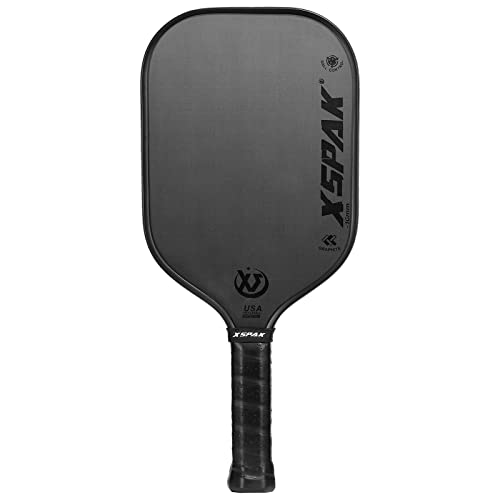 XSPAK PRO Series Thermoformed T700SC Tournament Carbon Fiber Full spec sheet
  Vomeepeak Edgeless Thermoformed Pickleball Paddle Carbon Fiber Full spec sheet
  Luzz Pickleball Paddle Cannon Thermoformed T700 Carbon Fiber Full spec sheet
 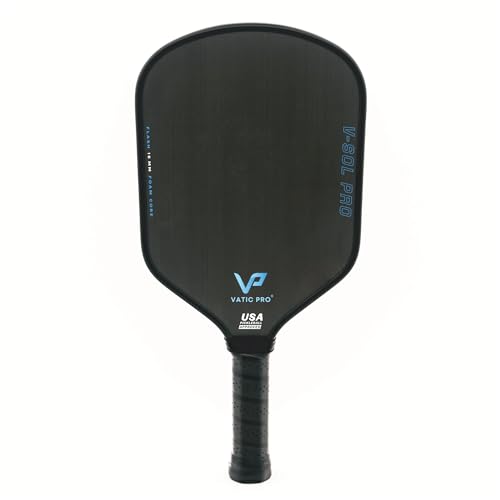 Vatic Pro V-Sol Pro Flash Full spec sheet
  Selkirk Sport SLK Dauntless Pickleball Paddles Full spec sheet
  CRBN Pickleball TruFoam Waves Paddle Full spec sheet
 Email me this guide's gear list
Every item on this page with its current price, in one email, so you can shop it later or in pieces. No sales sequence.
Used only to send the list. You can also just read it here.Frequently asked questions
What does thermoformed mean for a pickleball paddle?
Thermoformed generally means the paddle face, core, and edge are fused together under heat and pressure as one unit rather than laminated as separate layers. Manufacturers market this as producing a firmer, more consistent hitting surface. It is most reliably identified when a listing states it directly in the product name or description.
What is the difference between thermoformed and cold molded paddles?
Thermoformed paddles are heat and pressure fused as a single unit, while cold molded paddles are built by laminating layers together without that heat fusing step. Cold molded is the traditional pickleball construction method and is still widely used. Neither method automatically makes a paddle better, since fit and specs matter more.
What do Gen 3 and Gen 4 mean on a pickleball paddle?
Gen 3 and Gen 4 are marketing terms some brands use for successive generations of their thermoformed paddle designs, generally implying refinements to the edge, foam, or face layup. These labels are not standardized across the industry, so a Gen 4 paddle from one brand may differ significantly from a Gen 4 paddle from another.
What is a foam core pickleball paddle?
A foam core paddle uses injected or molded foam inside the paddle instead of a traditional polymer honeycomb structure. Foam cores are generally marketed as producing a larger usable sweet spot and a softer, quieter sound at contact, and they are increasingly common on both mid-price and premium paddles.
What is an edgeless pickleball paddle?
An edgeless paddle skips the traditional raised edge wall around the perimeter of the face, letting the face material run to the very edge instead. This is generally paired with thermoformed construction and is marketed as slightly increasing usable hitting surface, though it relies on the face and core alone to hold up to edge impacts.
Is a thermoformed paddle always more expensive?
No. Thermoformed construction appears across a wide price range, including relatively affordable paddles alongside premium tour-level models. Price differences within thermoformed paddles usually come down to face material, core type, and brand rather than the thermoforming process itself.
This is researched general guidance, not professional advice. Specs and prices come from manufacturer listings and change often; confirm details on the product page before buying.