Carbon Fiber vs Fiberglass vs Graphite Paddles
Carbon fiber faces generally produce the most spin and hold their pop longest, fiberglass feels softer and more forgiving, and graphite is a lighter, budget-friendly middle ground.

What is the best pickleball paddle material?
There is no single best material, only tradeoffs between spin, power delivery, weight, and price. Carbon fiber, fiberglass, and graphite are the three face materials you will see on the large majority of paddles sold, with kevlar or aramid showing up on a smaller number of premium models. A paddle like the Selkirk Sport SLK Atlas Max Pickleball Paddles, built with a carbon fiber face, is a reasonable default if you have not yet formed a strong preference, since carbon fiber performs well across most playing styles. Before comparing materials, it helps to also settle on your preferred core thickness, since face material and core thickness interact.
What is the difference between carbon fiber, fiberglass, and graphite paddle faces?
Graphite and carbon fiber are related materials, both built from woven carbon strands, but carbon fiber generally uses a denser, stiffer weave that grips the ball longer at contact, which is what produces more topspin on drives and serves. Fiberglass uses a different fiber entirely and tends to flex more at contact, which softens the feel and can make mishits less punishing, at the cost of some spin and pop compared with carbon fiber. The practical difference shows up most on spin-heavy shots and on how a paddle feels months into ownership, since carbon fiber faces are generally reported to hold their surface texture and pop longer than fiberglass or graphite.
Carbon fiber: pros and cons
Carbon fiber is the most common premium face material today, found on paddles across the price range from the mid-price Selkirk Sport SLK Atlas Max Pickleball Paddles up to tour-level paddles like the HEAD Radical Team 15 2026 Pickleball Paddle. Its main strengths are spin generation and durability of feel over time. The main downside is a firmer, sometimes less forgiving feel on mishits compared with fiberglass, and carbon fiber paddles are rarely the cheapest option in a given lineup.
Fiberglass: pros and cons
Fiberglass faces, like the one on the Franklin Sports Signature Series Pro USAPA Pickleball Paddle and the budget-oriented Franklin Sports Pro Pickleball Paddles, tend to feel softer and more forgiving right out of the box, which suits players who value a comfortable, cushioned feel over maximum spin. Fiberglass paddles are also common in the more affordable part of the market, making them a sensible choice for a first paddle. The tradeoff is that fiberglass generally produces less spin than carbon fiber and can lose a step in pop sooner with heavy use.
Graphite: pros and cons
Graphite faces, like those on the Onix Pickleball Z5 Graphite Beginner Pickleball Paddle and the Selkirk Sport SLK Neo Paddle Set of 2, are typically light and inexpensive, making them common on beginner-oriented and set-style paddles. Graphite sits between carbon fiber and fiberglass in most performance measures: less spin than carbon fiber, but often a bit stiffer than fiberglass. For a first paddle bought without a strong material preference, graphite is a low-cost, reasonable entry point.
What about kevlar or aramid paddles?
A small number of premium paddles, including the Six Zero Ruby Pro 14mm Pickleball Paddle, use a kevlar or aramid weave, sometimes blended with carbon fiber, aimed at extra face stiffness and durability under repeated hard contact. Kevlar paddles tend to sit at the higher end of the price range and are marketed toward players who want maximum pop without face degradation over a long season, though the material itself is a smaller share of the overall paddle market compared with plain carbon fiber and fiberglass.
Does material affect spin?
Yes, more than almost any other single spec besides surface texture. Carbon fiber's denser, grippier weave is the main reason it is associated with the most spin among common face materials, and it is the dominant material on paddles marketed specifically for spin. Surface texture, such as raw unpainted carbon fiber, can add further grip on top of the base material. See our best pickleball paddles for spin guide for spin-focused picks across price points.
Material comparison at a glance
| Material | Spin | Feel | Typical price tier |
|---|---|---|---|
| Carbon fiber | Highest | Firm, holds pop longer | Mid to premium |
| Fiberglass | Moderate | Softer, more forgiving | Budget to mid |
| Graphite | Lower to moderate | Light, slightly stiff | Budget |
| Kevlar or aramid | High | Very stiff, durable | Premium |
What about surface texture, raw versus painted carbon fiber?
Beyond the base material, surface texture is a separate factor that changes how much a paddle grips the ball at contact. Raw, unpainted carbon fiber, left with its natural woven texture, generally grips the ball slightly more than a smooth painted finish over the same material, which is why some spin-focused paddles specifically advertise a raw or unfinished carbon face. This is worth checking on a listing separately from the base material itself, since two carbon fiber paddles can differ in spin potential purely based on whether the surface is raw or painted, independent of the underlying carbon fiber, fiberglass, or graphite classification.
How does material affect paddle care and lifespan?
All three common face materials will eventually lose some surface grip and pop with heavy, regular use, but they do not wear at the same rate or in the same way. Carbon fiber generally holds its texture longest under repeated hard contact, which is part of why it dominates the premium end of the market. Fiberglass can develop a smoother, glossier feel sooner as the surface wears down, which some players notice as reduced spin after a season or two of frequent play. Regardless of material, using an actual paddle bag for storage and avoiding extreme heat, such as leaving a paddle in a hot car, helps any face material last longer, and avoiding rough surfaces like concrete when the paddle is not in play protects the edge and face from unnecessary scuffing regardless of what material it is built from.
Common material-related mistakes
The most common mistake is assuming face material alone determines how a paddle plays, when core thickness, weight, and shape all contribute as much or more to the overall feel. A second mistake is buying a kevlar paddle purely for the material name without confirming the rest of the specification, weight, thickness, and shape, actually matches your game, since a kevlar face on the wrong core thickness will not fix an unrelated fit problem. A third mistake is ignoring surface texture entirely and assuming any carbon fiber paddle will spin the same as another, when raw versus painted finishes can meaningfully change that outcome even within the same base material category.
Buying tips
Material matters, but it works together with core thickness and paddle shape rather than on its own, so decide on all three together rather than shopping by face material alone. If spin is your top priority, lean toward carbon fiber or kevlar. If comfort and forgiveness matter more, lean toward fiberglass. These distinctions are based on published product specs and material properties rather than in-person hitting comparisons.
Does material choice depend on how often you play?
Casual players who play once or twice a week can generally get by with fiberglass or graphite for a long time before the material's slower wear rate becomes noticeable, since less frequent contact simply means slower cumulative wear on the face. Players who play several times a week or compete regularly tend to feel the durability advantage of carbon fiber sooner, since the higher volume of hard contact accelerates any surface degradation. If you are still building up how often you play, there is little reason to pay a premium for carbon fiber's longer-lasting pop before you know your own playing frequency will actually test that advantage. A reasonable approach is to start with a fiberglass or graphite paddle at a lower price point and upgrade to carbon fiber once you have a clear sense of how many sessions per week you realistically play.
Frequently asked questions
Gear mentioned in this guide
 Franklin Sports Pro Pickleball Paddles Full spec sheet
  Franklin Sports Signature Series Pro USAPA Pickleball Paddle 16mm elongated Full spec sheet
 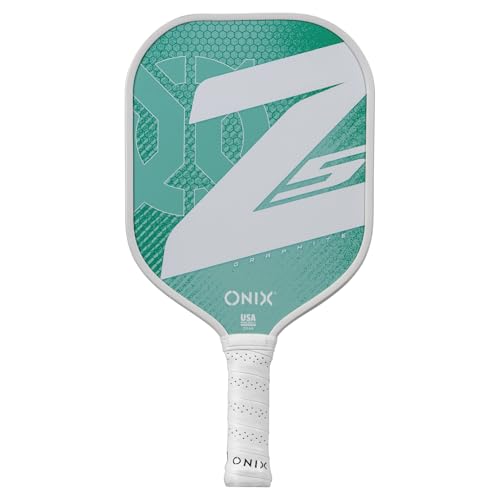 Onix Pickleball Z5 Graphite Beginner Pickleball Paddle Full spec sheet
  Selkirk Sport SLK Neo Paddle Set of 2
  Six Zero Ruby Pro 14mm Pickleball Paddle Full spec sheet
  HEAD Radical Team 15 2026 Pickleball Paddle Full spec sheet
 Email me this guide's gear list
Every item on this page with its current price, in one email, so you can shop it later or in pieces. No sales sequence.
Used only to send the list. You can also just read it here.Frequently asked questions
What is the best pickleball paddle material?
There is no single best material for every player. Carbon fiber generally produces the most spin and holds up longest under heavy use, fiberglass feels softer and more forgiving, and graphite is a light, budget-friendly middle ground. The right choice depends on whether you prioritize spin, comfort, or price.
Is carbon fiber better than fiberglass for pickleball paddles?
Carbon fiber generally produces more spin and retains its surface pop longer than fiberglass, making it the more common choice on premium paddles. Fiberglass tends to feel softer and more forgiving on mishits and is common on more affordable paddles, so better depends on whether you value spin or comfort more.
What is a graphite pickleball paddle?
A graphite paddle uses a graphite weave face, typically lighter and less expensive than carbon fiber, and common on beginner-oriented paddles and paddle sets. Graphite generally produces less spin than carbon fiber but is a reasonable, low-cost entry point for a first paddle.
What is a kevlar pickleball paddle?
A kevlar or aramid paddle uses that fiber, sometimes blended with carbon fiber, in the face for extra stiffness and durability under repeated hard contact. These paddles tend to sit at the premium end of the price range and are aimed at players who want the pop to hold up over a long season of play.
Does paddle material affect spin the most?
Material is one of the biggest factors in spin, with carbon fiber and kevlar generally producing more spin than fiberglass or graphite due to a grippier surface weave. Surface texture, such as raw unpainted carbon fiber, and core thickness also contribute, so material alone does not determine spin entirely.
Do more expensive paddle materials wear out slower?
Generally, yes, carbon fiber and kevlar faces are commonly reported to hold their texture and pop longer than fiberglass or graphite under heavy, regular play. All paddle faces do wear down eventually with repeated contact, so material affects how long peak performance lasts rather than making a paddle last forever.
This is researched general guidance, not professional advice. Specs and prices come from manufacturer listings and change often; confirm details on the product page before buying.